
Where the Sun Don’t Shine
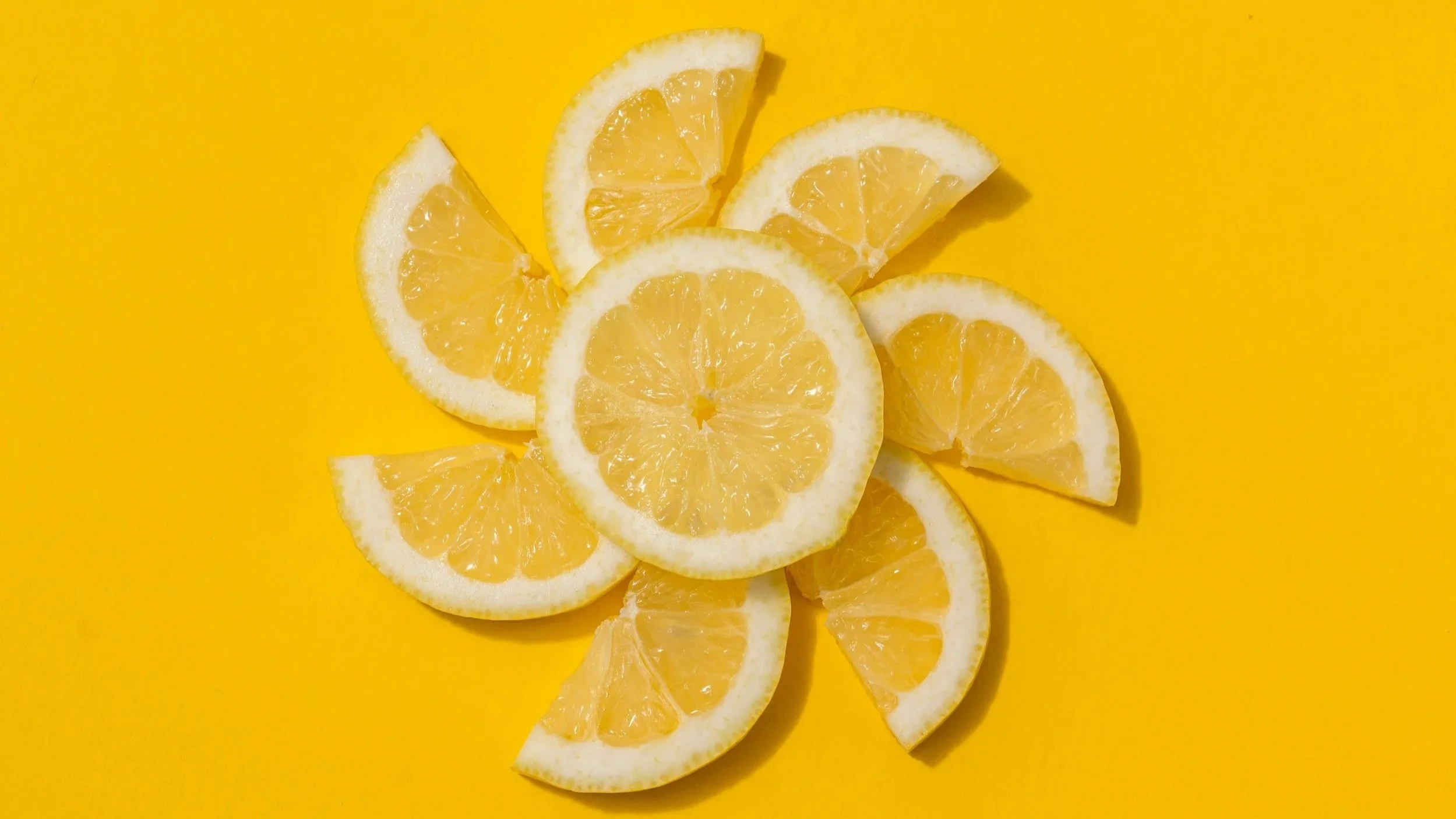
In aromatherapy, there’s an “F” word we try not to drop casually—and no, it’s not that one. It’s furanocoumarins.
These naturally occurring plant compounds—found in certain essential oils (mostly citrus and Angelica archangelica)—can make your skin extremely sensitive to sunlight. This is called phototoxicity, and it can lead to blistering, intense sunburn, or long-lasting changes in skin pigmentation where the oil was applied.
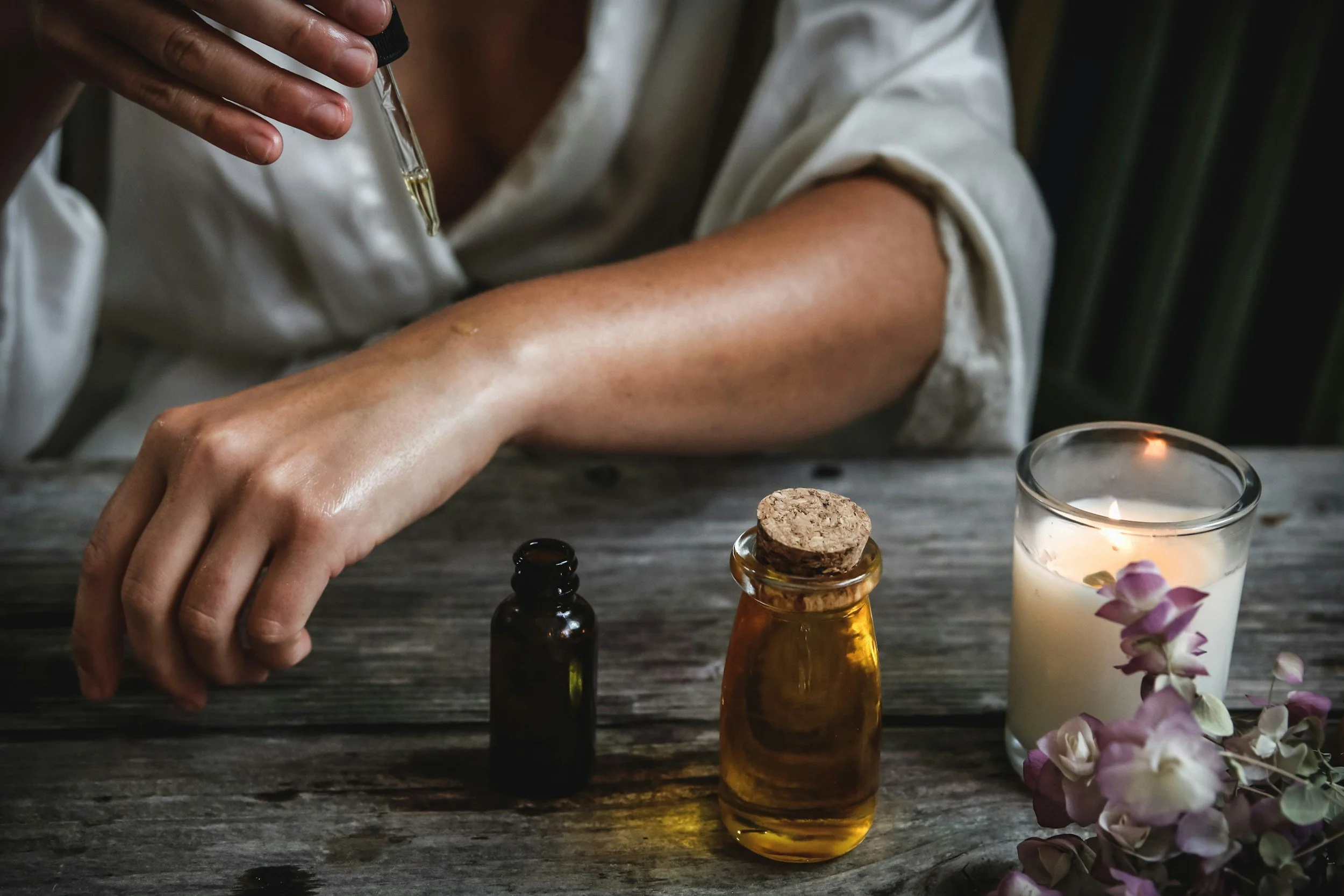
🔆🔆🔆Oils to limit to where the sun don’t shine include bergamot, bitter orange, cold-pressed lemon and lime, grapefruit, and angelic root.🔆🔆🔆
Keep it simple:
Avoid applying to skin that will see sunlight
Or keep it to areas covered by clothing
Choose FCF (furanocoumarin-free) or steam-distilled citrus oils
Reach for gentler options like sweet orange, mandarin, or tangerine
Stick to a 1–2% dilution for general topical use
***Products, such as soaps and shampoos containing these oils, are generally safe***
Storing Essential Oils
Essential oils don’t like the sun or heat, as it speeds up oxidation. Citrus oils, especially, have a shorter shelf life of up to 9 months. Get the most shelf life by storing in a cool, dark place.
⚠️ Phototoxic Citrus Guide for DIY Products
(by species + safety limits)
Bergamot (Citrus bergamia) – ~1 drop per oz (30 mL) carrier
Cold-pressed Lime (Citrus aurantiifolia) – ~4 drops
Bitter Orange (Citrus aurantium) – ~8 drops
Cold-pressed Lemon (Citrus limon) – ~12 drops
Grapefruit (Citrus paradisi) – ~24 drops
(Guidelines summarized from Tisserand & Young, 2nd ed.)
Bottom line
Citrus oils can absolutely be part of your life, rain or shine—you want to use them with a little intention🔅
Smell Ya Later! 🌺
References:
Tisserand, R., & Young, R. (2014). Essential Oil Safety (2nd ed.).
See phototoxicity guidelines (approx. pp. 80–90) and bergamot monograph (p. 211)
https://tisserandinstitute.org/phototoxicity-essential-oils-sun-and-safety/
